
Resources
Think of the "resources" area as an information portal. We include here resources that John found helpful as well as other material. Four times a year, we will curate best current thinking and post additional resources addressing: cancer and faith, illness memoirs, writing as healing, narrative medicine, caregiving practices that work, as well as provide links to exemplary organizations like Alive Hospice in Nashville, Caring Bridge, others.
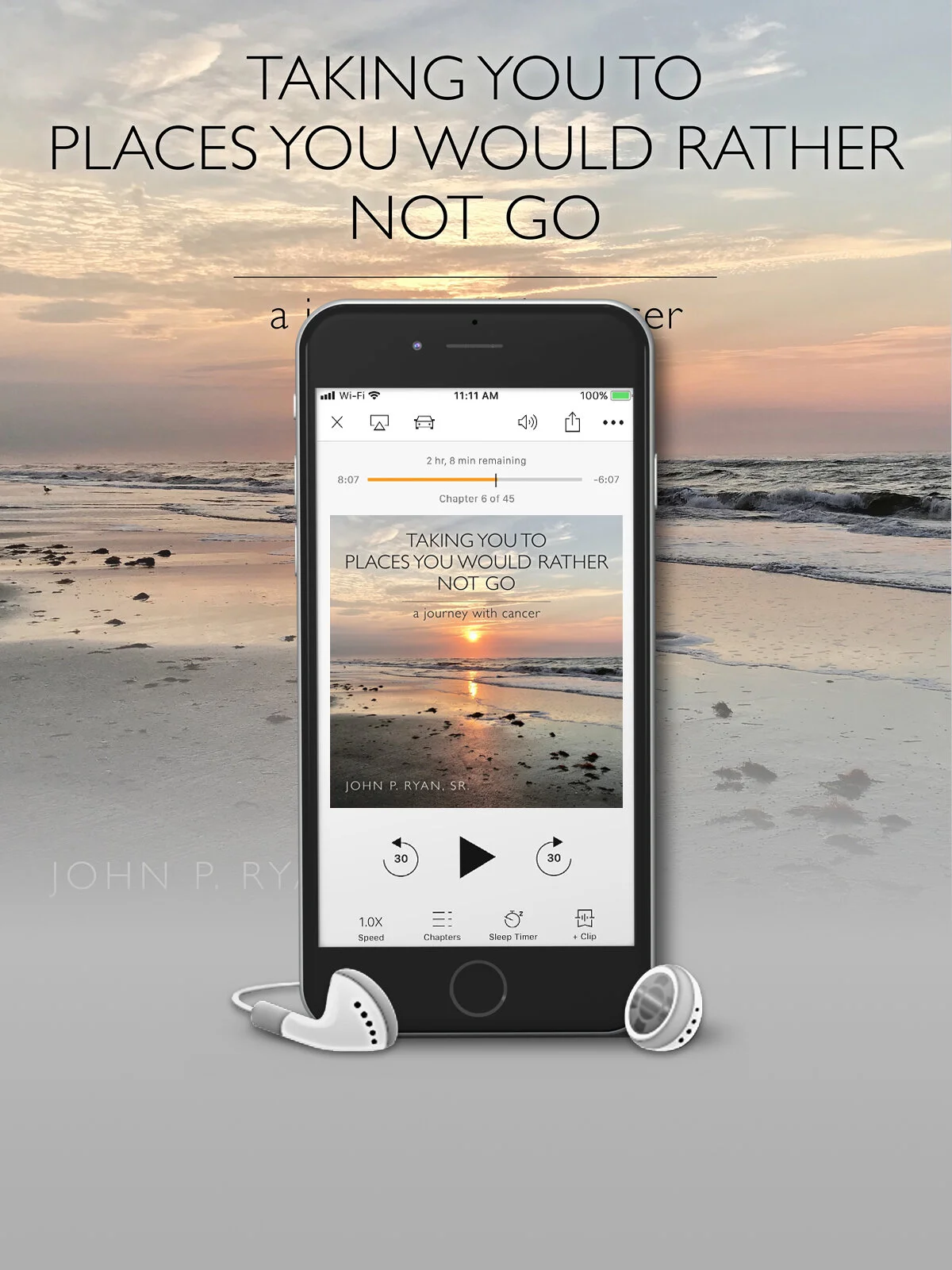
TAKING YOU TO PLACES YOU WOULD RATHER NOT GO
Pure Love Heals
After my father passed, before driving home that night, I went alone to the Barnes and Noble bookstore in Jenkintown. My wife, Mary Ann, and our son, Kevin, had driven home in another car separately. This bookstore was 10 minutes from the Abington hospital. I don’t remember planning to go there. I don’t remember telling them or really anyone I was going there. It was around 845 PM when I went into the bookstore. Time stopped literally. Everything moved slowly. I was hyper aware of every sound. The space in that bookstore suddenly was 3 dimensional. Space and time were real in a way I cannot well describe. Colors were bright and vibrant and luminous. I was not sad. I was full of remarkable clarity. My task was to buy a copy of a book in his honor. I bought a paperback copy of Teilhard de Chardin’s, “The Divine Milieu”. This is a short book like his book (less than 125 pages), both poetic and mystical. The book had a bright, very contemporary, beautiful, orange and blue mosaic on the cover. My Dad had diligently studied Chardin’s writings during his illness. It helped him name his beliefs. Dad’s “eternal now” (discovered late in his life) was much like Chardin’s “divine milieu”. Gratefully, Dad experienced moments of that divine mystery in his life. Moments of pure Grace. I was in the bookstore for less than 5 minutes. I knew exactly the book I wanted. I found it. Paid for the book and left. Then, I drove home. I played a CD in the car by the Impressions. Played the song “I’m So Proud”. And I played that song over and over. That song was my love song to him. I was immensely proud of him. Proud of his bravery and his remarkable courage. Proud of his reaching out to me (and reaching out to others) from his hospital bed before he passed. No words were spoken. His intense eyes spoke to us. His singular gesture, that reaching out from his hospital bed just before dying, were his last words. And that remarkable feeling of pride I felt in him was “pure”. Beyond description. It was like the luminous white color of fresh snow. White without blemish. Pure, unstained. I was not conflicted in any way. I was perfectly happy for him, then and there, in that bookstore, in that remarkable moment. Yes, immensely proud of him. And I knew his love for me was pure. And now, many years later, I name here what I had learned that night from him. “Pure love heals”. Yes, “pure love heals”. Dad taught me that.
Praying, in the Moment
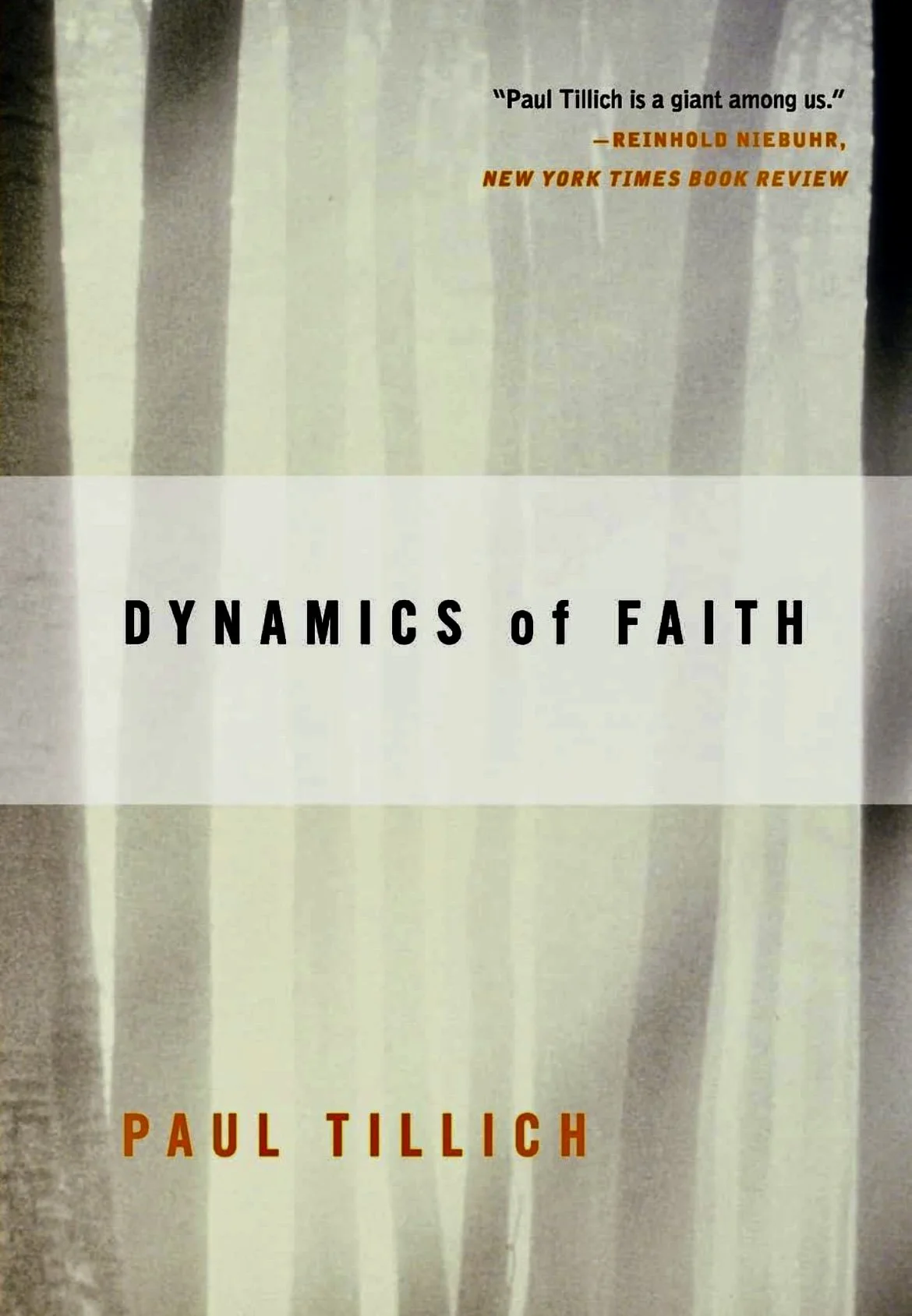
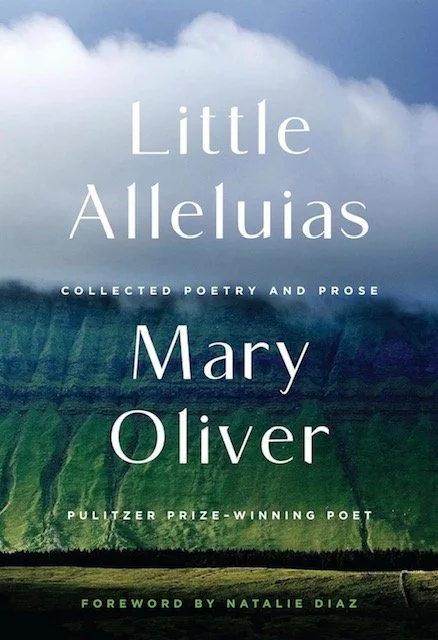
How do we learn to pray? How do we learn to act with hope in the face of loss or great sadness when our worlds are turned upside down? Important questions and tasks. John Ryan’s books and his journals are a guide. A thread to hold onto. For some of us, literally a lifeline. John understood Faith as “ultimate concern”. He knew what really counts in a life. He wrote with great clarity about that. His Faith helped him “see” at a deeper level. See what he called “the Eternal Now”. The ineffable. Divine mystery. The God beyond God. Helped him see moments of Grace and Manna in his everyday life. Helped him see beyond dark moments. He knew the terrain the poet Mary Oliver writes about. “I have not forgotten the Way, but, a little, the way to the Way”. His Faith and his heartfelt prayers each day gave him “the courage to be”. And his courage helps us stand tall and act on hopes. We include here five books about Praying and Faith and a poem. Resources we have found helpful ourselves. And what is the common thread? “Praying, in the now”. Yes, praying anywhere and anytime. “Just pay attention, then patch a few words together and don’t try to make them elaborate, this isn’t a contest but a doorway into thanks, and a silence in which another voice may speak”.


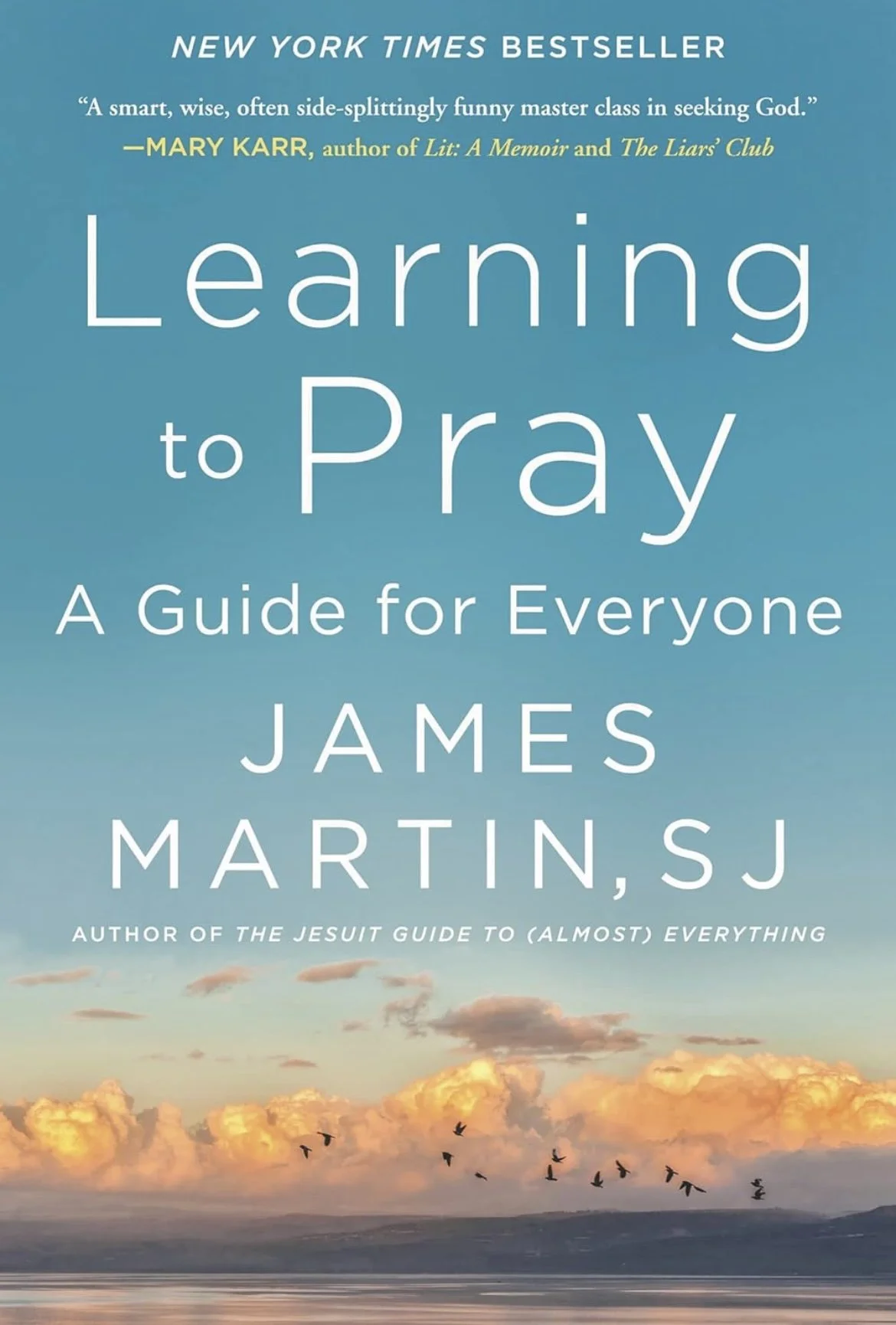

John found the MD and surgeon Bernie Siegel’s books and tapes lifelines. Valuable and practical resources about healing, learning how to cope, and master the demon of cancer.

These two books by Victor Frankl were read and reread by John. Both books were filled with notes in the margins. They speak with great clarity to courage and strength of will, making choices, enduring in the face of great suffering, and the search for ultimate meaning. These two books bridge psychotherapy, theology, philosophy in very down to earth ways. They speak to the quest to find true meaning in a life. Books relevant to all of us whatever our circumstances.
“Hoping For More” is Deanna Thompson’s story of facing a serious illness (breast cancer). The author is a Professor of Religion, a believer, a wife, a mother, a fellow traveler. Here we see another journey to another unwanted place. Poignant and beautiful reflective writing. She looks deep within. She works hard to come to terms with her fate and describes moments of unexpected grace. Both haunting and beautiful. Reflective writing at its best.
“The God Box” is a small gem. A book both similar and different from John’s book. Here you will see wonderful photos of short handwritten notes. They are really prayers and a Mother’s heartfelt hopes. Treasures left for her children. A book that shows us the gift of journaling and the caring of memories.
John did not watch this You Tube video. That said, this video is one John would have found of great interest. It addresses the lived experience of suffering and underscores the importance of awareness, mindfulness, attending to what is, attending to the now, not avoiding suffering, not pursuing spurious escape routes. It points to the importance of inner quiet, meditation, pure awareness, and having the courage to go "inside" your experience. John did all this in his own unique way and did this with great inner discipline.
These two articles by Arthur Kleinman, a Psychiatrist and Medical Anthropologist, offer insights and examples of how patients “endure” and how we grieve and do the important and symbolic work of “the caring of memories”.
John experienced “moments of grace” in his journey to an unwanted place. We see in this article how grace is thought about in many different religious traditions. Words fall short here. Grace and the eternal now are discovered, often in unexpected ways, and, as Gabriel Marcel once wrote, this is a “mystery” and not a problem to be solved.

A book John read and learned from. More accurately, a book he lived. John Sanford was a Jungian therapist and a Christian. “Healing and Wholeness” is a thoughtful book. A guide to learning from illness. Here we get insights and glimpses of the tasks we face of the path to individuation and wholeness.

Morton Kelsey’s book, “The Other Side of Silence”, helped John move ahead with a sure foot in his new found journaling practice and in his prayer life.
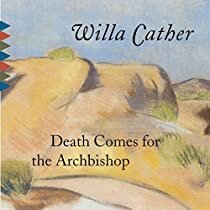
John loved Willa Cather’s novel, “Death Comes For The Archbishop”. His copy of the book has his hand written notes calling this “pure writing”. Much to be learned here from this life story about integrity, courage, faith, the mystery of grace in a fully lived life.

John never read James Agee’s masterful novel, “A Death in the Family”. His wife and his four children, however, lived this story of grief and loss. We see here the poetry and heartbreak of a family. This book is what John would call “pure writing”.
John never read this poem, “The Way It Is” by William Stafford, but he held on tightly to “the thread” Stafford describes. This poem is a kind of a lifeline for all of us. A call to pure seeing and carrying inside with courage our deepest hopes.


“Always We Begin Again”
A book of daily meditations based on the Benedictine rule. John’s adult children found this book helpful and a way to remember their parents. This book is a call to see with new eyes. A call to be open to moments of grace and transcendence in everyday life.

“Life is a Gift”
This documentary type book is based on 93 interviews with men and women who were residents in the Alive Hospice in Nashville. It describes their hopes and regrets. A powerful call to use our time wisely and to live fully.